Dealing with tenant complaints is key to smooth property management. Learn practical tips to handle common issues like maintenance and noise problems, keeping both tenants happy and your property in top shape. This guide outlines practical strategies to proactively manage and resolve these issues, ensuring both tenant satisfaction and property well-being are maintained.

Establishing Effective Communication Channels
Effective tenant complaint management starts with fostering a culture where renters feel free to voice their issues. Property managers need to establish dependable and easily available channels of communication to enable this. This can involve using the phone, email, or even a special tenant site to record grievances or problems. You can make sure there’s no misunderstanding regarding the communication process by providing clear instructions on how and when tenants can contact you with their problems.
Prompt Responses
In addition, establishing a strong basis for communication requires responsiveness. Making sure that tenants get prompt responses to their grievances not only shows that you are dedicated to resolving their issues, but it also helps to ease any possible annoyance. Consider automating responses for messages that are received, and set reasonable deadlines for when tenants might anticipate a follow-up or resolution, to expedite this process.

Regular Tenant Check-Ins
Maintaining a regular check-in schedule with tenants might improve communication even further. These check-ins offer a proactive way to spot problems early on and fix them before they become more serious complaints. Tenants can be reassured that their happiness is a top priority by regular contact, whether it takes the form of newsletters, informal gatherings, or quarterly surveys.
Dealing with Maintenance and Repair Issues
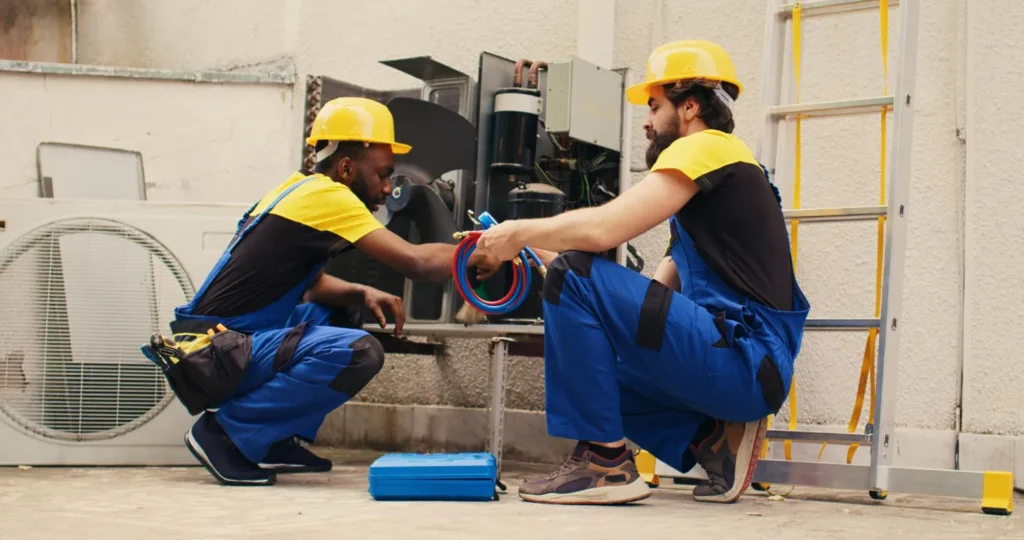
Property managers have to respond quickly to address maintenance and repair concerns so that the tenants’ quality of life and the property’s value are not negatively impacted. The first step is to set up a streamlined procedure for reporting these kinds of problems. This is made possible via a specific website that makes it simple for renters to seek maintenance at any time. An open monitoring system that allows renters to track the status of their concerns can greatly improve communication and ease the stress that comes with unsolved problems.
Prioritizing Repair Requests
Setting priorities is essential when managing several repair requests. Emergency circumstances that jeopardize the integrity of the property or the safety of the tenants should be handled right away, and less urgent repairs can be arranged appropriately. Tenants should be made fully aware of this precedence to establish reasonable expectations regarding the timeframe for resolution.
Reliable Contractor Network
Keeping up a network of trustworthy and knowledgeable contractors is also crucial. The ability to quickly access a roster of experts guarantees that repairs are handled not only quickly but also well. This careful selection of service providers demonstrates a dedication to upholding superior living and property conditions.
Noise Complaints: Finding a Middle Ground

Handling noise complaints involves striking a careful balance because one tenant’s tolerance for noise may not be shared by another. To begin addressing these difficulties, the parties who are immediately impacted should be encouraged to have an open discourse. Having a polite discussion can frequently result in a solution that both parties can agree with without the need for additional assistance.
Harmonious Living
When self-resolution isn’t an option, setting explicit rules on permissible noise levels and quiet hours might give all renters a uniform norm to adhere to. This reduces the possibility of future conflicts and aids in defining clear expectations. Property managers may also want to think about adding soundproofing to areas where noise is likely to be produced or carried, like upper-level apartment floors, the walls separating units, and common facilities like fitness centers or entertainment rooms.
Gathering Facts and Taking Action
Property managers must act impartially and gather information from all parties involved when a complaint arises. Understanding the severity and tenacity of the issue depends on the documentation of the complaints and any actions done to address it. Additionally, any appropriate steps, like as warning the offending renter or taking more harsh measures if the situation persists, can be based on this information.
Security Concerns and Tenant Safety

In property management, ensuring tenant safety is crucial. Taking proactive steps is essential to create a secure living environment and show tenants their well-being is a priority. Improving property security includes installing better lighting, upgrading locks or using keyless entry systems at entrances, and strategically placing surveillance cameras. These efforts not only enhance physical safety but also reassure tenants about their security.
Community Vigilance
Just as crucial is promoting a community-oriented approach to security. Encouraging tenants to stay alert and promptly report any unusual or suspicious activities fosters a shared sense of responsibility for keeping the environment safe. This communal awareness adds an extra level of security that complements the existing physical safety measures.
Regular Audits and Adaptation
Regular security audits help identify potential weaknesses in the property and pinpoint areas that need improvement. Continuously assessing security ensures that protocols adapt to new threats and meet the evolving needs of tenants.
Resolving Tenant Issues About Rent Increases
Talking about rent increases needs care to ensure clarity and understanding. Start by explaining why the rent is going up, like higher property upkeep costs or market changes. This honesty helps tenants see why the increase is happening, rather than feeling it’s random. Listen to tenants too, so you can understand any concerns they have. This might uncover issues that could influence whether the rent goes up or not.
Flexible Rent Adjustment
Providing adaptable options, like spreading out rent increases over time or enhancing rental agreements, can ease worries and show dedication to tenants’ welfare. For those most impacted, consider personalized adjustments such as giving more time to adjust to the new rent, making the change easier to manage.
Transparent Communication
Emphasize any improvements or extra benefits to the property that justify the rent increase, so tenants see they’re getting fair value for their home investment. With empathy and clear communication, property managers can uphold a positive relationship with tenants during necessary financial adjustments.
The Importance of Property Management Problem-Solving
In property management, there’s more to handling problems than just responding to instant concerns from tenants. It necessitates a sophisticated comprehension of every distinct problem as well as the capacity to create and execute specialized solutions that satisfy the various demands of tenants.
Enhance Tenant Satisfaction
Tenant satisfaction and retention can be greatly increased by developing a reputation for being proactive rather than reactive in problem management and resolution. This method incorporates critical thinking to successfully handle complicated circumstances in addition to carefully listening to and empathizing with tenant concerns.
Effective Property Management
Property managers may create creative solutions that not only address the immediate issue but also anticipate future problems by combining creativity, patience, and strategic planning. This helps to provide a more seamless and effective property management operation.