When renting a property, it is crucial to treat it with care and respect. However, accidents or intentional actions can sometimes cause damage. This raises a critical question. Can you go to jail for damaging rental property? Both tenants and landlords need to understand the legal consequences of such actions. We will explore the circumstances under which damage to rental property may result in jail time. What steps can be taken to avoid further legal trouble?

Understanding the Severity of Property Damage
Property damage can vary greatly between rental locations. Extensive damage from insignificant marks that compromise the integrity of the property. It is important to identify the extent of the damage. Because its reactions depend on its severity. Minor blemishes, such as a minor ding on a wall or a stain on the floor, usually don’t carry the risk of jail but can carry financial responsibility for repairs.
Significant Rental Property Damage
Conversely, significant damage that severely affects the habitability or market value of the property may elevate the situation into delinquent territory. This could potentially lead to more serious legal repercussions. Early detection of the extent of damage can guide both the tenant and the landlord to properly manage the situation and take necessary legal or repair measures.
Legal Framework Governing Rental Property Damage
Regulations surrounding rental property damages differ across jurisdictions but share common principles. Generally, the tenant should maintain the rental premises responsibly. To ensure that there is no damage beyond normal wear and tear. If a tenant fails to meet these expectations. As a result of damage, landlords are empowered to seek compensation through a security deposit for repairs. In cases where the damages awarded exceed ordinary abuse, and appear to be willful or grossly negligent, the landlord may take legal action. This can not only demand additional repair costs but also possibly press criminal charges depending on the nature and intent of the damage. Understanding local legal standards and regulations is crucial for both parties to effectively navigate these situations.

The Cost of Property Damage in Civil Lawsuits
Damage to rental property may lead to civil lawsuits. Where landlords can sue tenants for costs to make repairs or for lost income while the property is uninhabitable. These legal actions can be both costly and time-consuming. Tenants can potentially face substantial financial obligations if found liable. The amount claimed can cover everything from renovations to minor repairs needed to restore the property to its condition or market value. Engaging in such legal battles requires understanding the impact of one’s actions and the potential financial repercussions of property damage.
Circumstances Under Which Jail Time Is a Possibility
It is unusual to face jail time for property damage in rental situations. But not out of the realm of possibility. Criminal charges may arise when actions taken by a tenant are intentional. such as vandalism, or when the destruction of property is so serious that it endangers the safety of others. In instances where the damage is not only extensive but also involves a criminal element. such as breaking in combination with arson or property damage. Legal consequences can escalate The judicial system may consider these acts as indicative of criminal intent or recklessness. warrants a more severe response, including the possibility of imprisonment. Tenants need to be aware that accidental or minor damage is unlikely to lead to such an outcome. Deliberate or dangerous acts carry a significant risk of legal consequences, including jail time.

The Role of the Lease Agreement in Legal Proceedings
In legal matters related to rental property damage, the lease agreement often serves as an important document. Describes the responsibilities and expectations for both tenants and landlords when it comes to property maintenance and damage repair. If there is damage that goes beyond normal wear and tear. This agreement provides a legal basis for determining accountability and, if necessary, facilitates the process of seeking compensation or taking further legal action.
Legal Ramifications and Early Termination
As such, breaching the terms of a lease due to damages can have significant legal ramifications. Potentially giving the landlord a legitimate reason to terminate the lease early for compensation. It emphasizes the importance of a thorough understanding and adherence to lease terms to prevent potential legal conflicts arising from property damage.
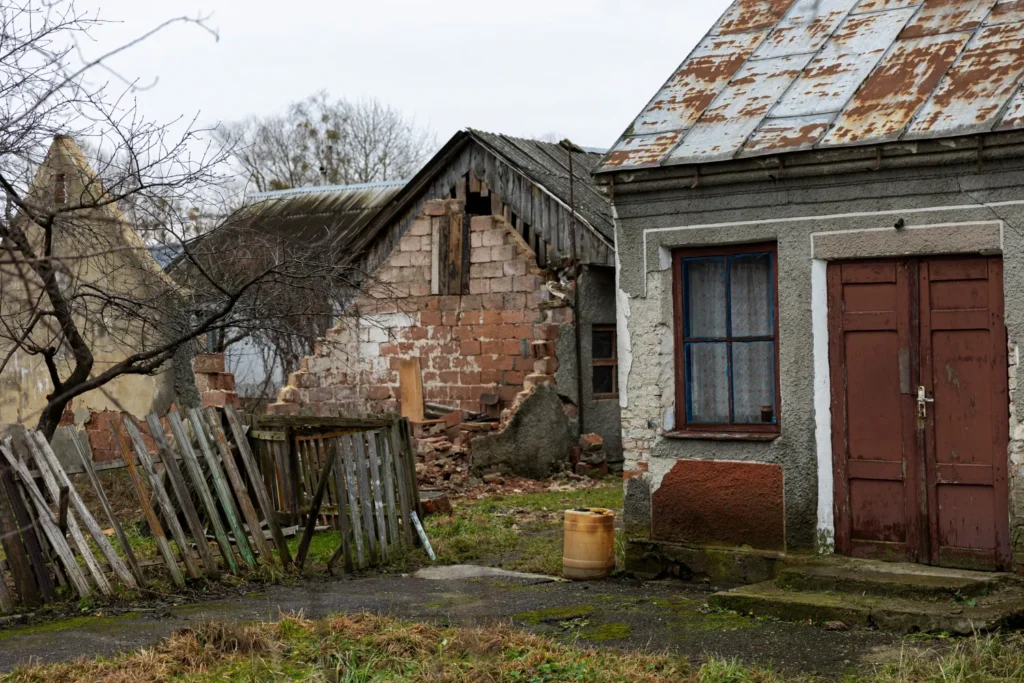
Steps to Take if Accused of Damaging Rental Property
After facing charges of damaging rental property. Property conditions should be extensively documented in immediate steps. This documentation may include taking detailed photographs or videos, highlighting both the area in question and the general condition of the property. It is equally important to compile any communications with the landlord that may be relevant. Such as reporting pre-existing damage or requesting repairs. Engaging a legal expert who specializes in tenant rights and property law is an important next step in effectively navigating complaints.
Legal Guidance and Representation for Rental Property Damage
This professional can guide building a defense, understanding the legal implications, and representing your interests in any negotiation or legal forum. Ensuring you have legal representation as well as fully cooperating with the investigation process. The key is to deal with the situation properly and avoid escalation.
Preventive Measures to Avoid Legal Trouble
To protect against legal consequences of property damage. Tenants should take a proactive approach to maintaining rental premises. Prompt reporting of any maintenance issues is critical. Because it can prevent small problems from turning into significant losses. which may lead to disputes or legal challenges. It is essential to engage in behavior that respects the property and adheres to the guidelines outlined in the lease agreement.
Regular Inspections and Communication to Avoid Legal Issues
Do regular inspections of the space yourself, note any wear and tear, and communicate these findings to your landlord. This level of caution and communication can significantly reduce the risk of misunderstandings and the potential for legal complications. Additionally, refraining from any activity that may damage the property will help maintain a positive relationship with the landlord and ensure a peaceful tenancy.